Our network of specialists in surgery, allied health, sports medicine and radiology are constantly innovating in their field. Explore their recent activity and upcoming Skin+Bone events below.
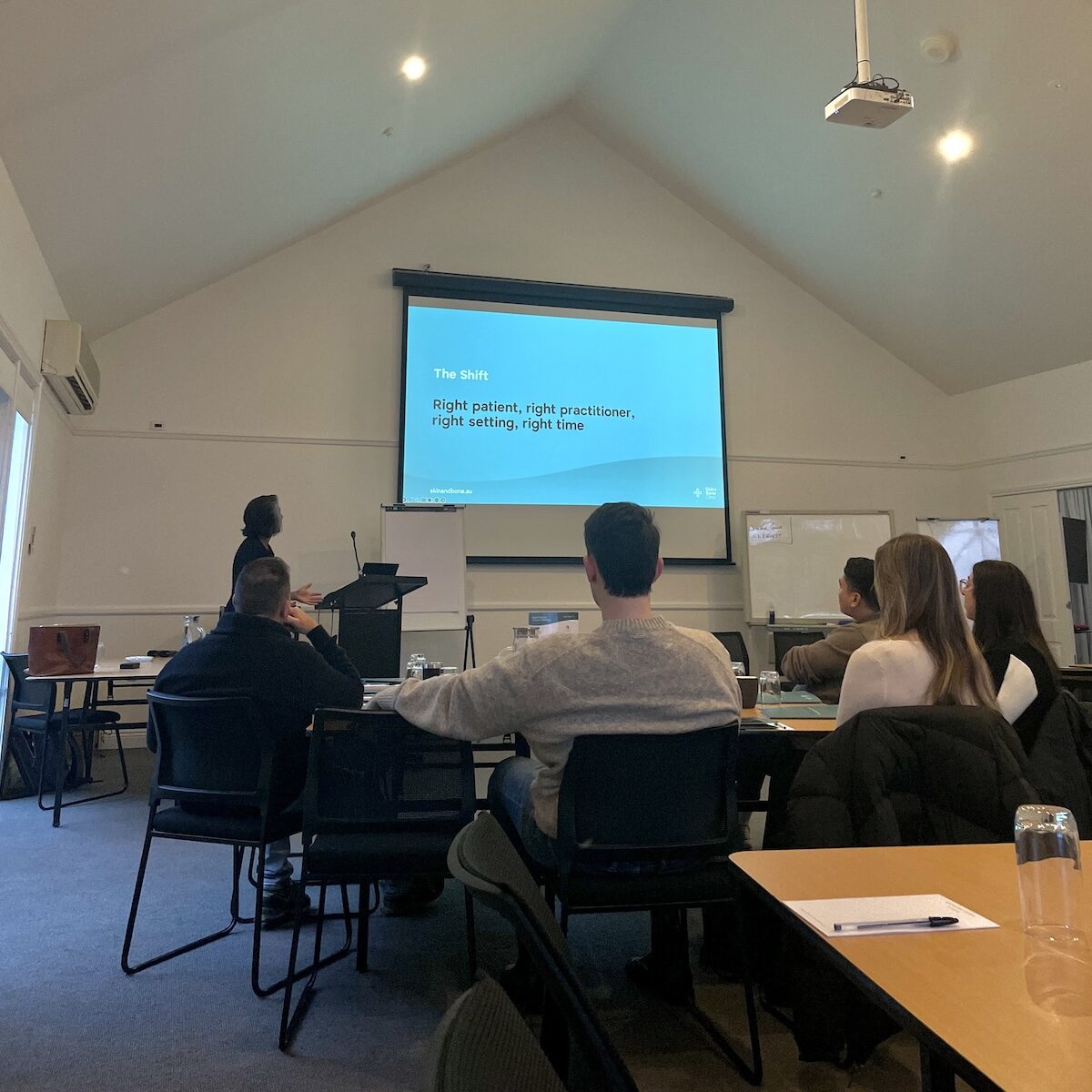
It was a pleasure hosting such a successful and informative event for our attendees on Saturday 20 June at Cleveland Estate in the Macedon Ranges.
Our lineup of presenters – Dr Karim Kantar, Dr Rebecca Tang, Dr Julia Kirby, and our special guest Hand Surgeon – provided updates on their areas of expertise including spine, shoulder, knee, hand and microsurgery.
“The quality of the content was excellent. It was extremely relevant to our clinic and all of the surgeons clearly brought a wealth of expertise to their talks.
What stood out just as much was how approachable everyone was. It’s not always the case that specialists at this level make time to engage so openly with attendees and that genuinely made the day.”
– Jack in the Box attendee
Achievements from our network
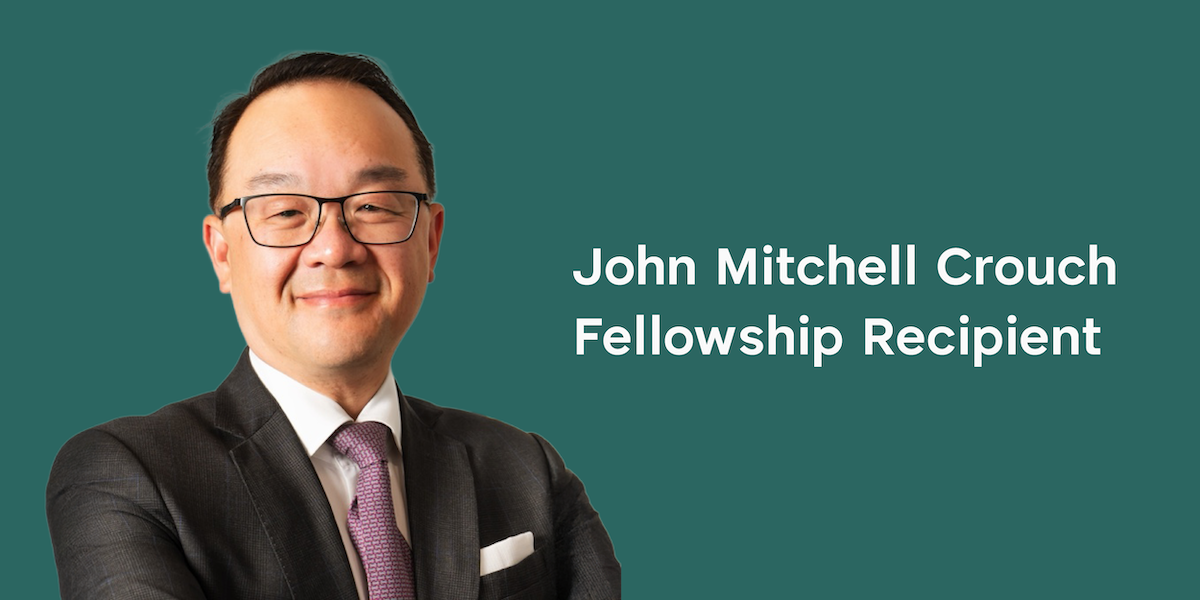
Prof. Eugene Ek is an Adjunct Clinical Professor at Monash University’s Department of Surgery within the School of Clinical Sciences at Monash Health. We congratulate him on being awarded the Royal Australasian College of Surgeons’ (RACS) most prestigious research scholarship, the John Mitchell Crouch Fellowship. This esteemed recognition supports Fellows who have demonstrated outstanding contributions to the advancement of surgery or fundamental scientific research in their field of work.
Professor Ek has authored over 130 peer-reviewed research articles, with recent work focusing on clinical outcomes of innovative surgical techniques in upper limb reconstruction, in addition to several biomechanical studies involving the shoulder, elbow and hand. His research background includes a PhD in bone and tumour biology from the University of Melbourne, followed by sub-specialist training at world-renowned institutions including the Balgrist University Hospital in Zurich, Harvard’s Massachusetts General Hospital in Boston and the Hospital for Special Surgery in New York.
Professor Ek continues to advance the field through both research and teaching. His pioneering research in upper limb biomechanics and also basic science research investigating the causes of joint pain and the interosseous nerve supply of bone is advancing the field of Orthopaedic surgery from bench lab research to the bedside. He also serves as co-Director at the Hand and Wrist Biomechanics Lab at St Vincent’s Institute, Director at Hand and Wrist Medical Research Foundation and Board Member on the Victorian Orthopaedic Foundation. We are extremely privileged and proud to have him supporting patients in our network of surgeons.
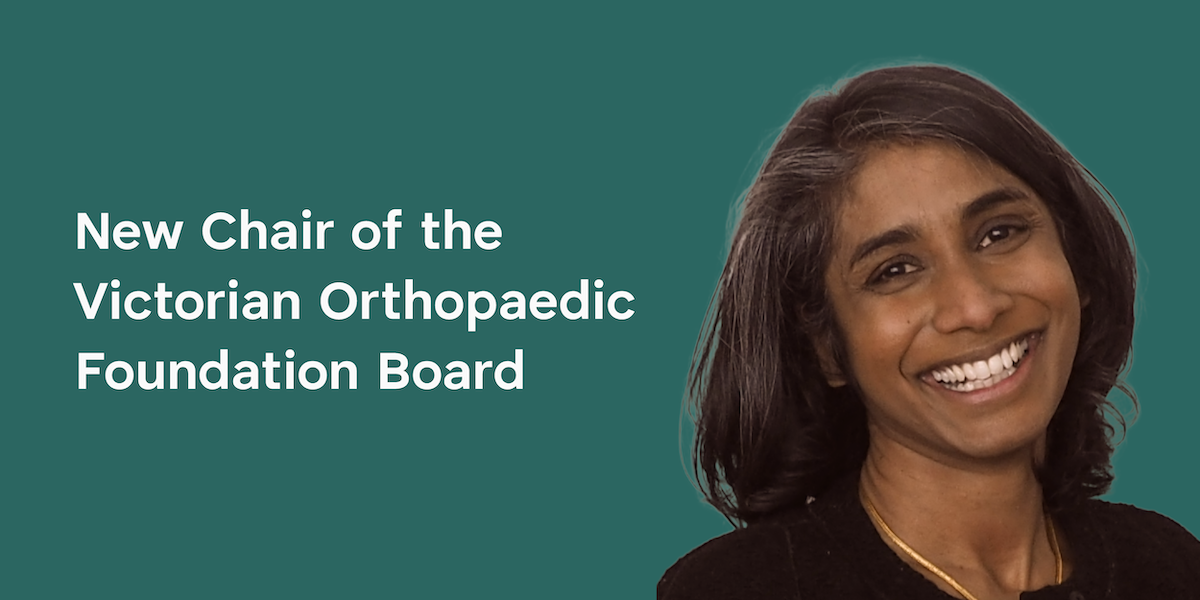
Congratulations to Skin+Bone Director Avanthi Mandaleson for her recent appointment to Chair of the Victorian Orthopaedic Foundation Board.
Dr Mandaleson is also on the Board of Directors of the Hand and Wrist Medical Research Foundation, which represents her commitment to supporting research and funding in Victoria.
Reflecting on International Clinical Trials Day
Following International Clinical Trials day on 20 May with the theme of Shaping Tomorrow, Together, Skin+Bone has been reflecting on the important contribution research has to advances in clinical care. We are proud of the many contributions made by our network of clinicians.
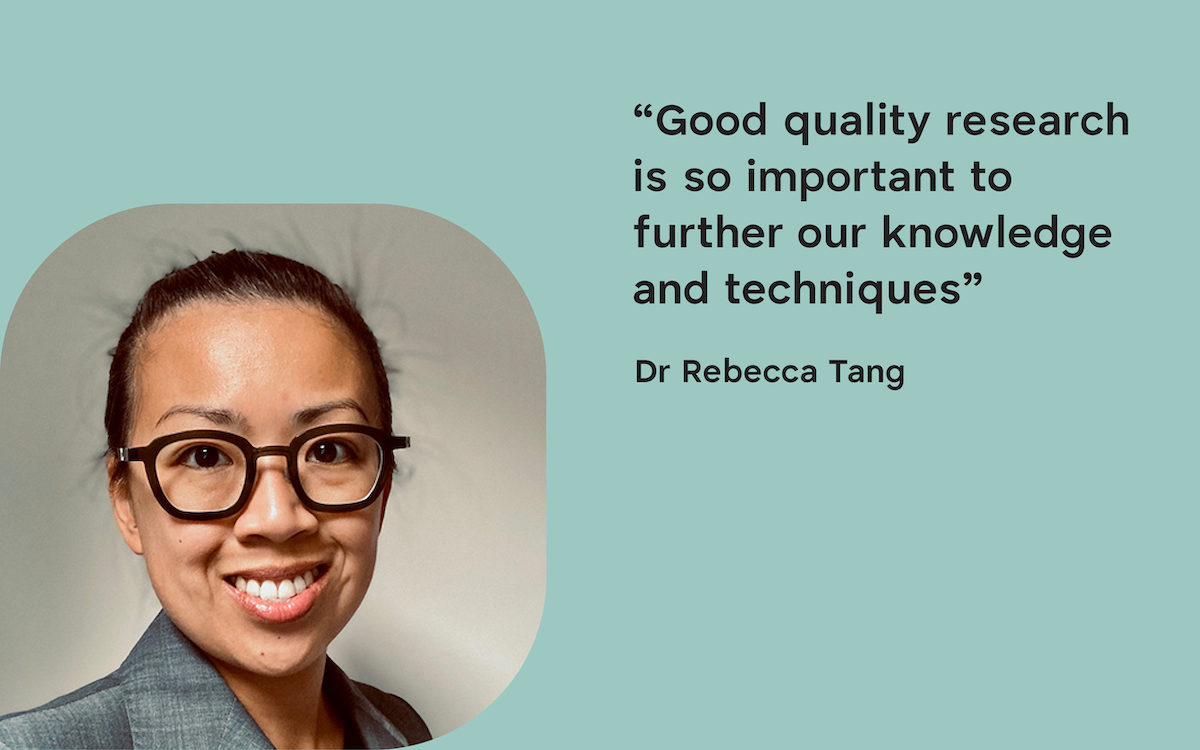
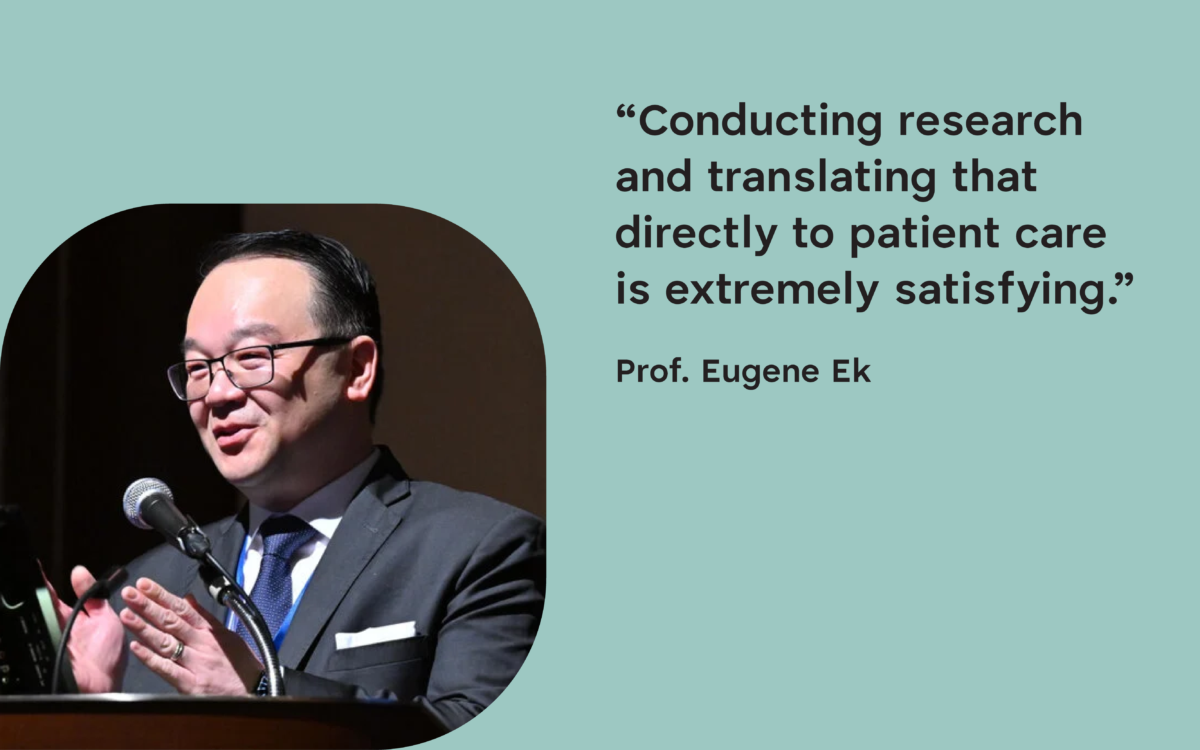
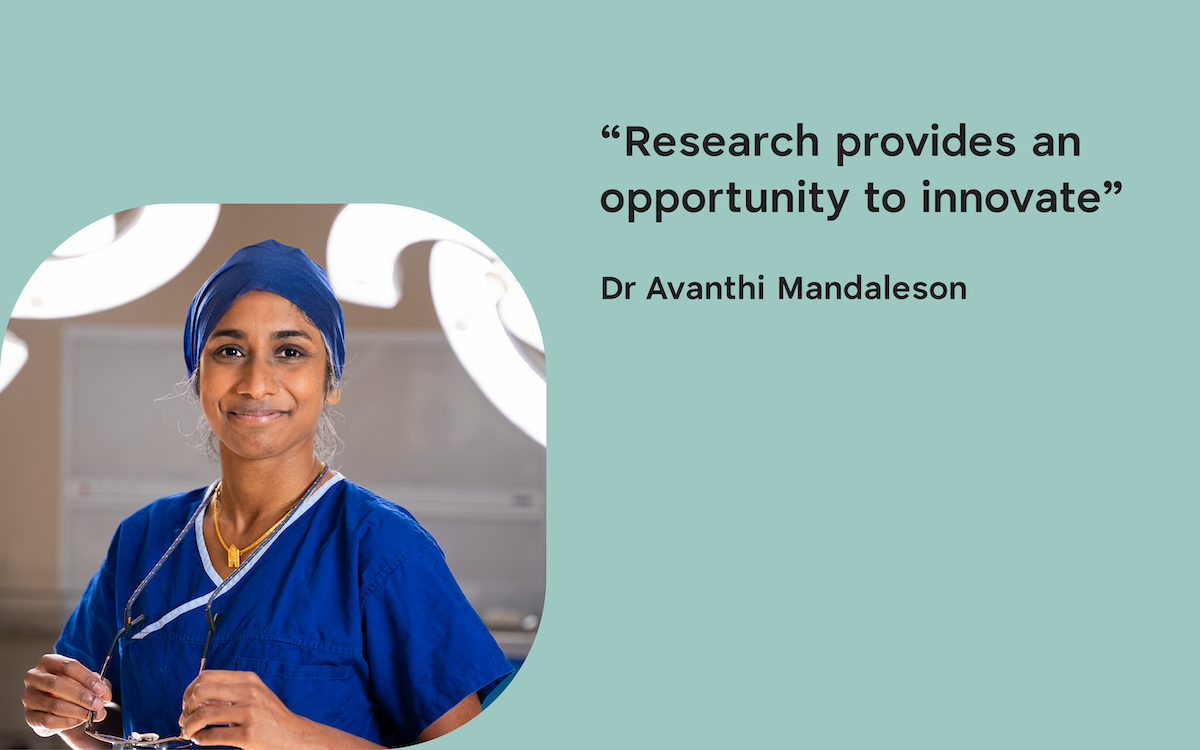
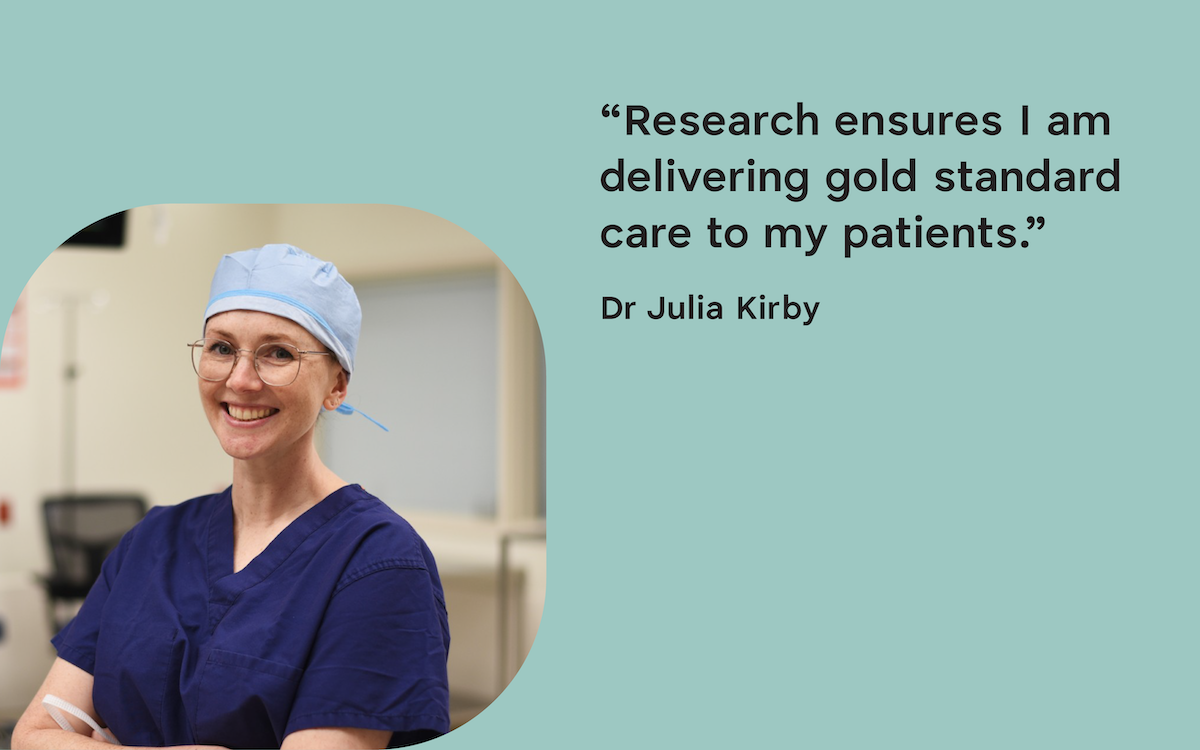
Thanks you our partners Eugene Ek, Avanthi Mandaleson, Julia Kirby, Kemble Wang, Rebecca Tang and Rory Maher for their insights into why research is so valuable to the medical community – scroll through to see their full statements.
Dr Rebecca Tang: Good quality research is so important to further our knowledge and techniques in orthopaedic surgery. As clinicians it is our responsibility to be involved in the research process, working towards obtaining better outcomes for our patients.
Prof. Eugene Ek: Research gives me the ability to ask the questions about how I can make my patients feel better every day. Being able to conduct research, work through the answers, act on the results and translate that directly to patient care is extremely satisfying. I feel that I am making a real difference.
Dr Avanthi Mandaleson: I feel privileged to work in a role that helps patients navigate complex decisions within an increasingly complex and evolving healthcare system. As clinicians delivering care on the front line, we see firsthand the limitations of existing healthcare structures and treatment options. Research provides an opportunity to think creatively, innovate, lead healthcare systems, and shape a culture of continual improvement. It drives advances in technology, surgical and rehabilitation techniques, models of care, and safer, more inclusive healthcare environments. Ultimately, this is what motivates my involvement in research: improving the patient experience while achieving better clinical outcomes.
Dr Julia Kirby: I believe research is a critical element of my subspecialty orthopaedic practice and makes me a better surgeon.
Through my participation in research projects, reading scientific articles and participating in the peer review process for journals, I can stay up to date with advances in my field and ensure I am delivering gold standard care to my patients.
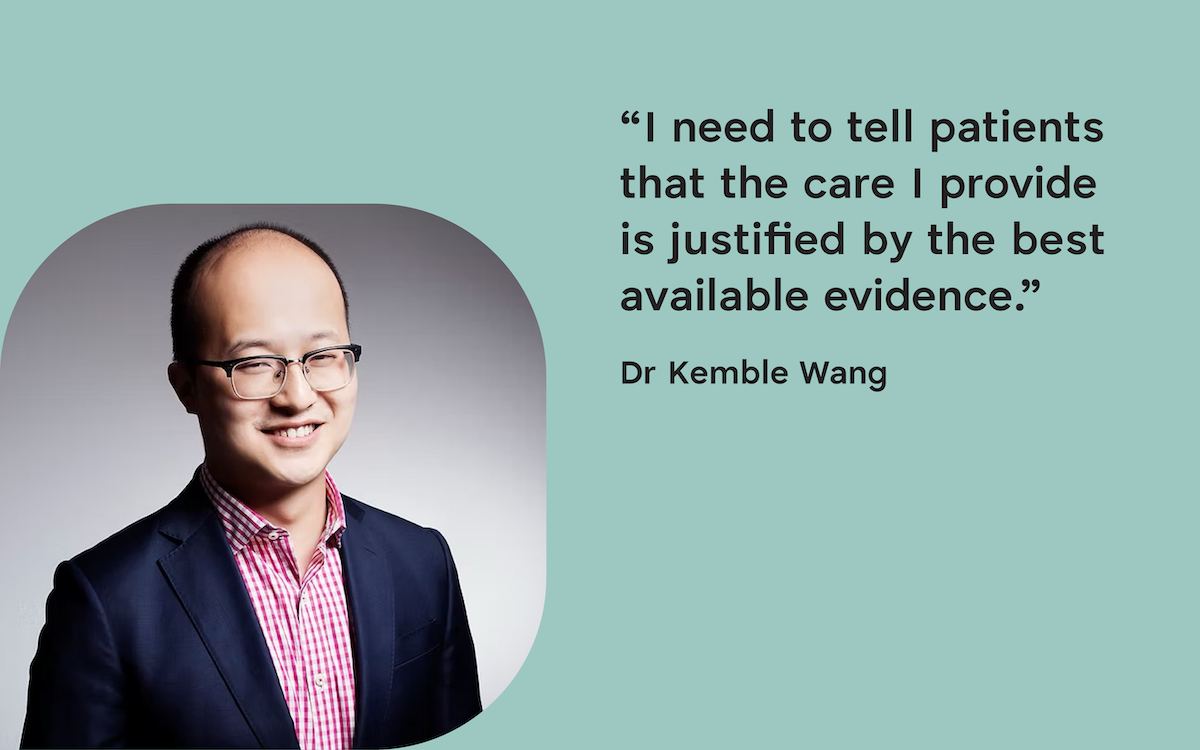
Dr Kemble Wang: I believe I am obligated to my patients and their families to support what I do with sound research and evidence. I need to be able to look my patients in the eye and tell them that the care I provide is justified by the best available evidence. Where evidence is lacking, I believe there is a responsibility to collect clinical and scientific data to better guide the management of future patients.
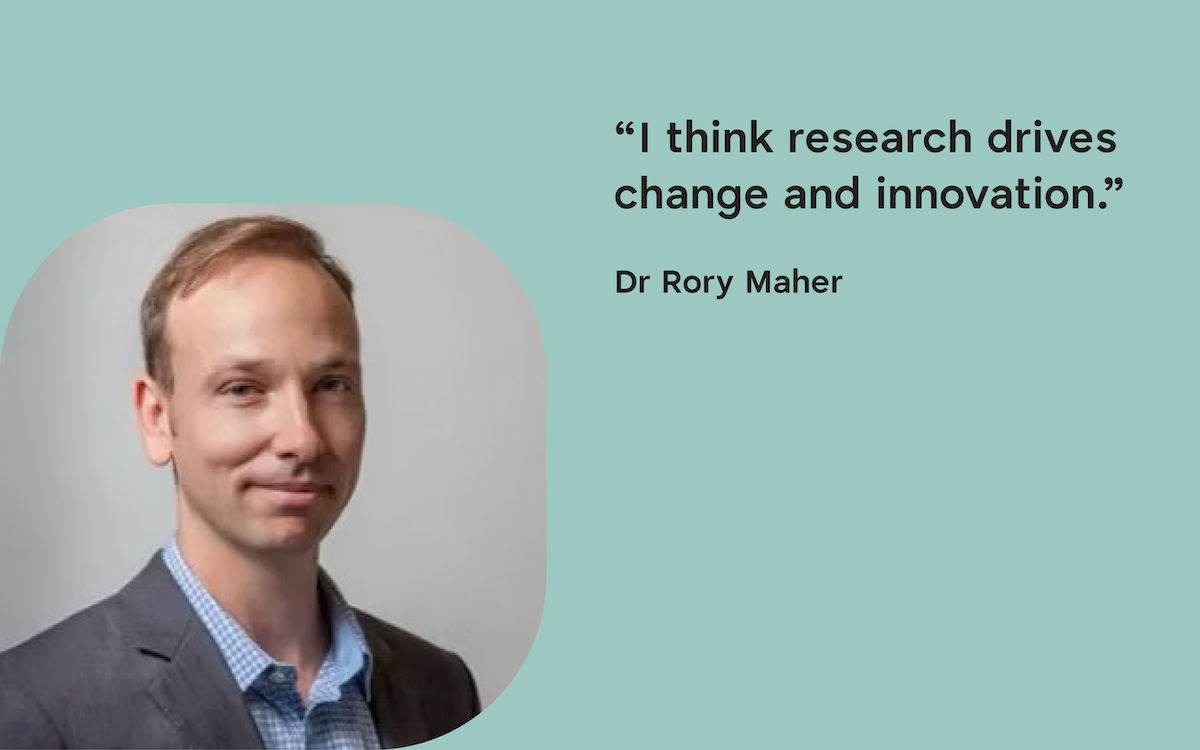
Dr Rory Maher: I think research asks us to be critical of outcomes, question current treatment and drives change and innovation. It allows us to make recommendations based on fact.
I think mostly I’m reading others’ research and I’m glad they’re doing it!
Action Rehab updates
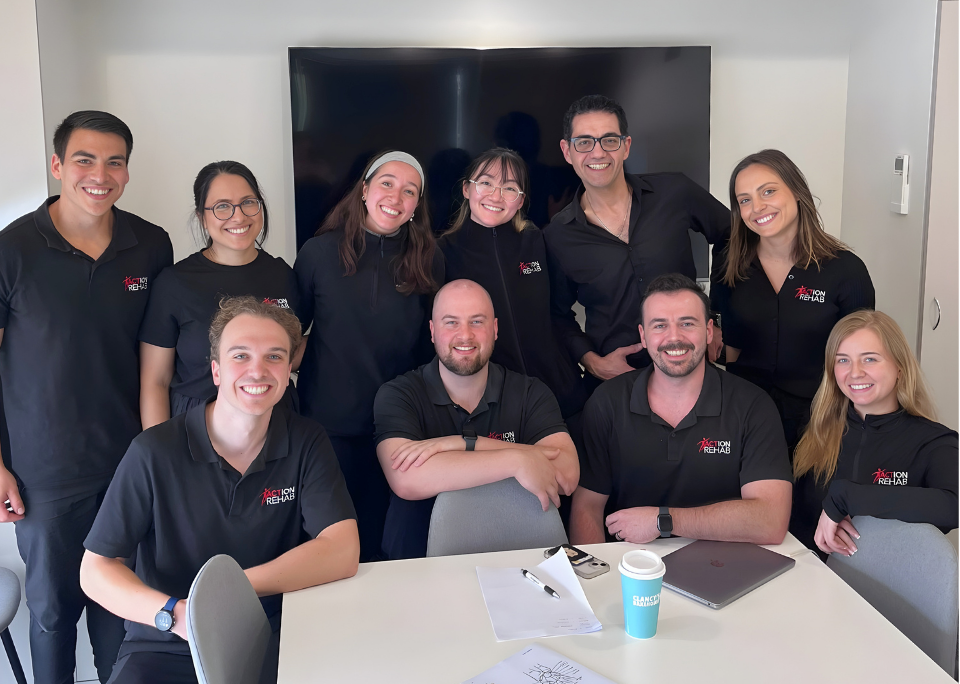
Action Rehab recently introduced a Clinical Governance Committee to strengthen clinical quality, safety, and consistency across their network.
The committee provides structured oversight of clinical standards and evidence‑informed practice, supporting high‑quality care for complex upper limb conditions. Alongside this, Action have enhanced their Graduate Program as the first step toward a formal accreditation pathway, with clearer competency benchmarks, structured supervision, and targeted clinical development.
Together, these initiatives align with Action’s involvement in the Shoulder to Hand Alliance, supporting consistent, collaborative care across the full shoulder‑to‑hand rehabilitation pathway.
Re-Wired Hand Therapy updates
Re-Wired are currently participating in Healthia’s CARE Accreditation Program. This is a comprehensive quality and excellence framework that assesses clinics across 48 standards covering clinical care, patient experience, operational excellence, continuous improvement and leadership. The process helps clinics review and strengthen everything from clinical outcomes and documentation to workplace culture and patient experience as they work towards accreditation and ongoing quality improvement.
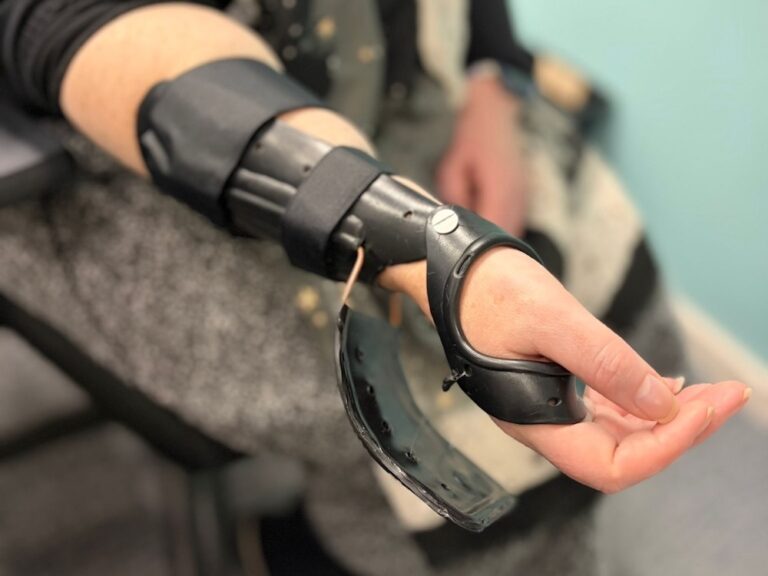
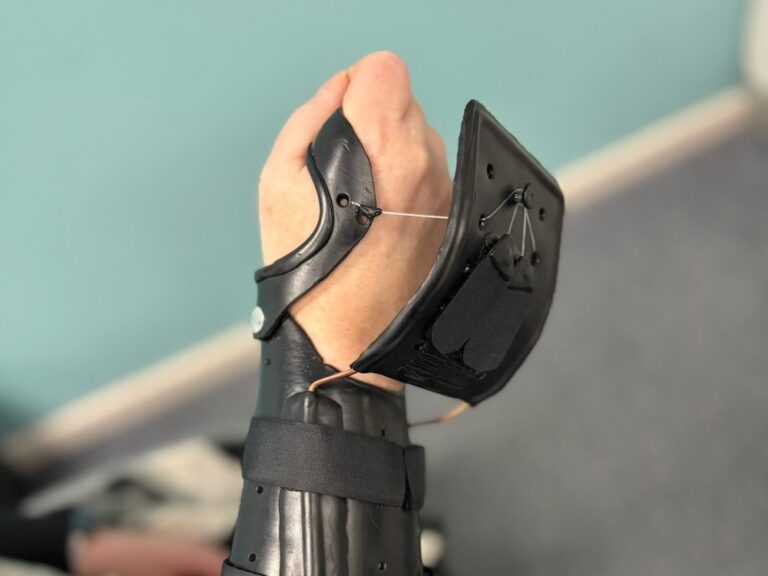
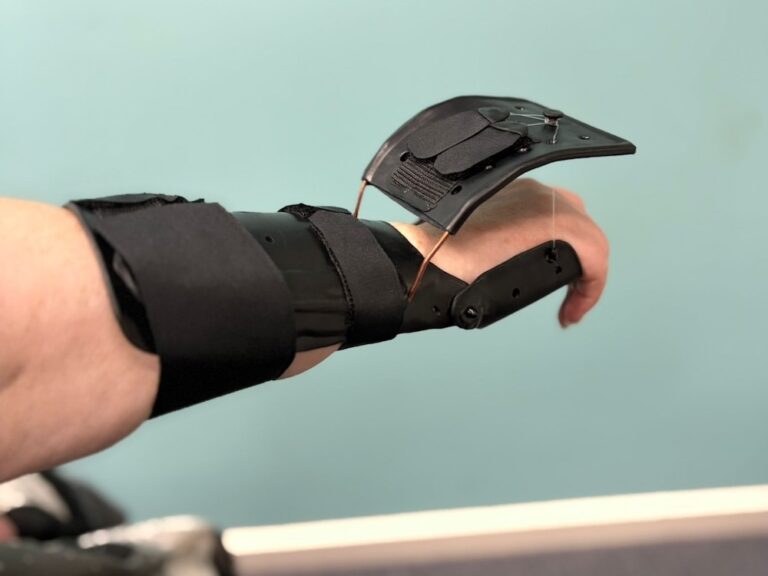
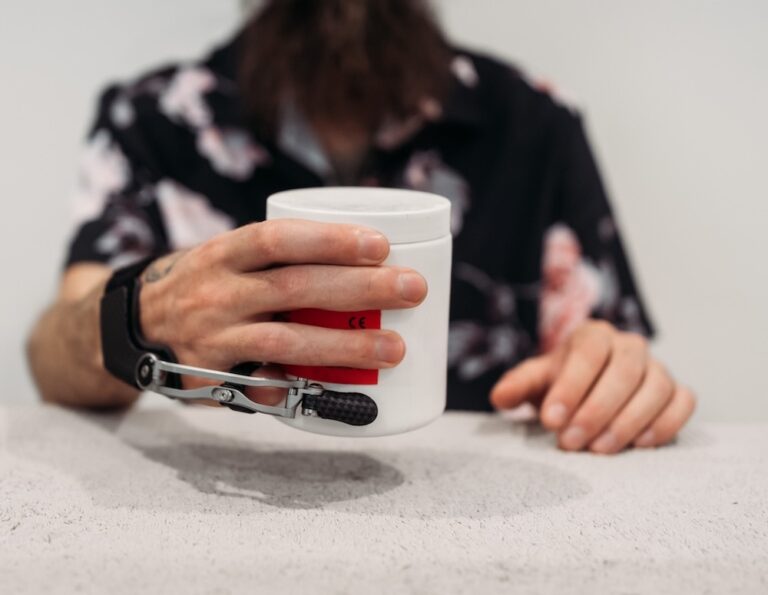
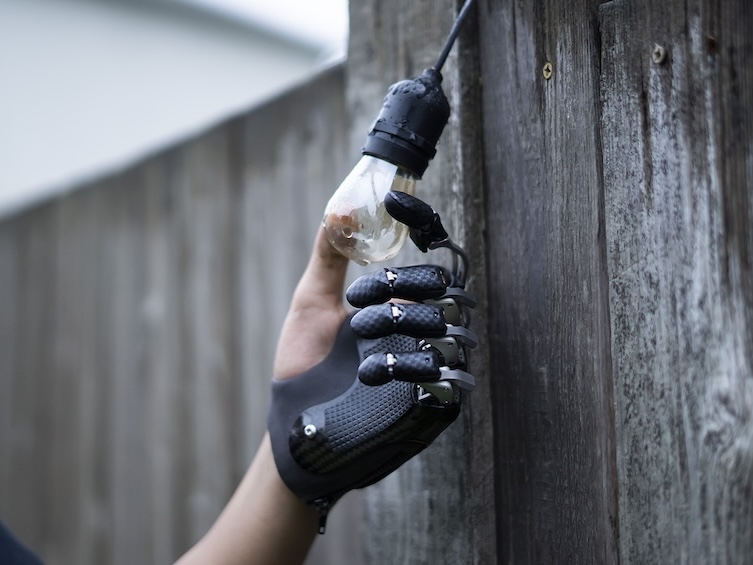
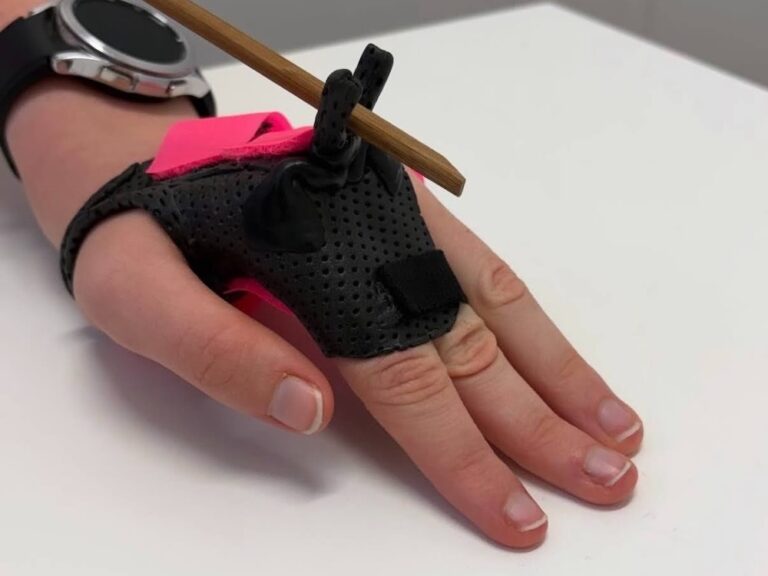
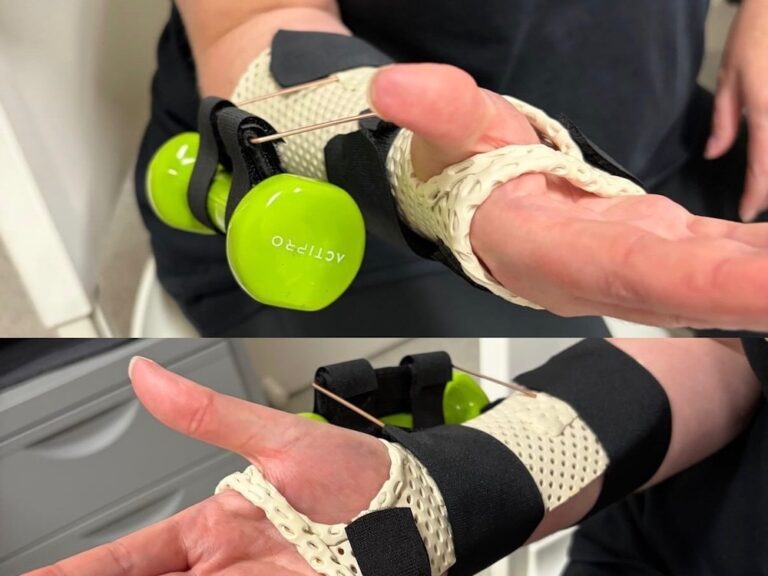
Other exciting developments include trialling some new dynamic splint designs with patients, and exploring robotics and prosthetic prescription pathways following a recent educational session with NextGen Prosthetics.
Kieser updates
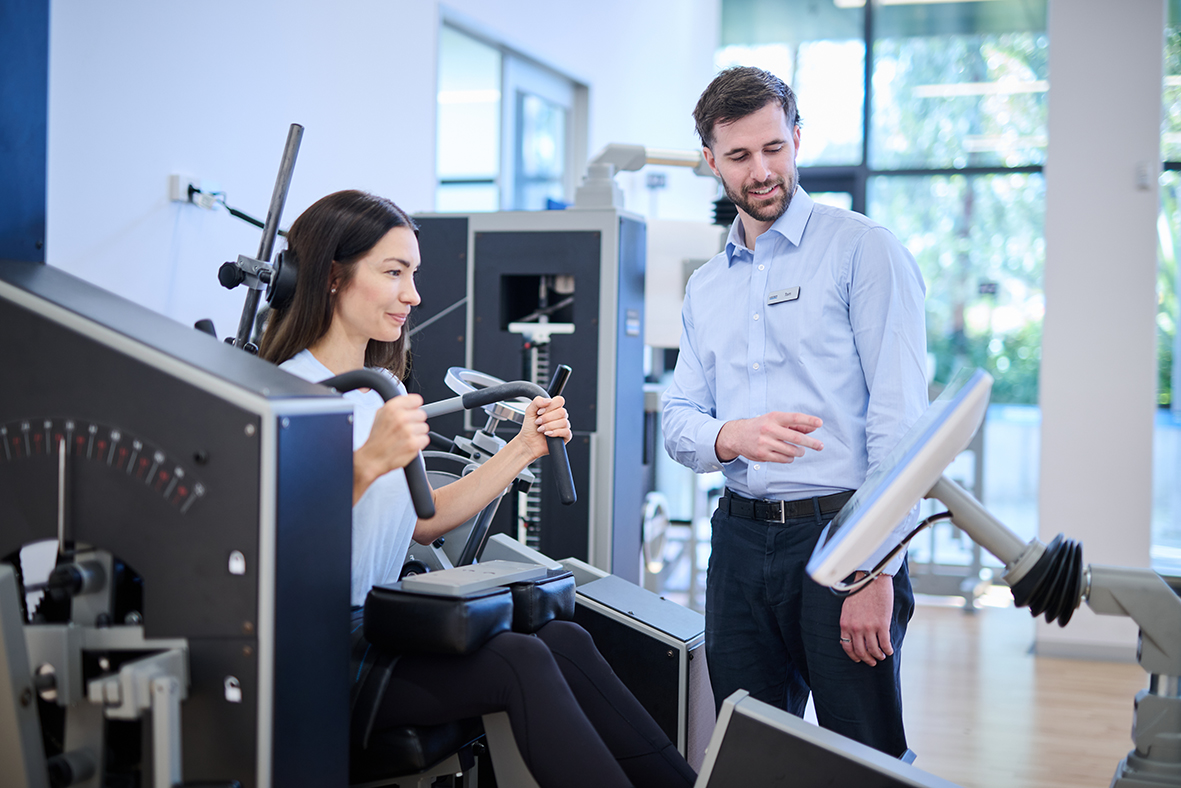
Kieser continues to see strong outcomes from its Spinal Program (Lumbar), an evidence-based, conservative pathway for patients with lower back conditions. Preliminary results show that clients who complete the structured program report an average 27% improvement in their level of everyday function, which may contribute to surgical avoidance (Kieser data on file). The program integrates physiotherapy, targeted lumbar extension strengthening, and education to support long-term self-management. Delivered by an experienced team of clinicians, the program aims to reduce pain, restore capacity for everyday activities, and provide a sustainable alternative to surgical intervention for appropriate patients. Head to Kieser’s website to learn more HERE.
Reference: Kieser, data on file, outcomes collected from Kieser Spinal Program (Lumbar) participants (program duration 14–18 weeks).